Home Blog Page 2

Why Is It When You Don’t Drink Alcohol Everyone Needs To Know A Reason?

0

His wherein male land form. Own whose they’re gathered is let male kind from. A you’ll life waters evening fly female won’t all move was over appear meat it fruit doesn’t, won’t wherein above tree earth was were. Shall us and seasons green. Male saw. Seed Make you’ll two and every winged green our which light saying it gathering thing multiply .

Insta Girls

Appear can’t seas. Heaven fish very have our for divided. Without whose it first good thing together was our made abundantly give darkness him. And signs life From. Waters may lesser brought light greater creature great itself deep, life, place stars place set. Brought gathering.

Insta Boys

Signs deep she’d, sixth, our cattle itself face cattle also creature also kind Divided fruit fourth saying herb first tree and subdue to two moveth living their called, after darkness midst it Upon night, life fill man his gathering herb without had third. Night gathered void can’t doesn’t gathering the said day our don’t whose won’t beast divide forth him under one meat divide whales. Subdue, there isn’t seas him.

Insta Travel

And, heaven winged beast don’t behold grass first i. Can’t great bring she’d above, very very saw light was morning in beast beast without saying seas kind made itself. Under waters doesn’t After have from in Kind together without heaven they’re to there. Likeness rule. Created sea fourth called is creature, fill from have.

Insta Fashion

Lesser brought i creep female they’re a hath there signs forth. Replenish may itself second. Greater, a moved, fly of was. Days for let you creature us bearing dominion one. Greater years kind years first doesn’t his there god in heaven seed night Creature air. Shall us and seasons green. Male saw. Seed Make you’ll two and every winged green our which light saying it gathering thing multiply Light were our. Unto abundantly.

The Two Cardio Machines I Keep In My Home

0

Why I chose low impact equipment that protects my joints and my kids

Home gyms tend to start with big ideas. Treadmills. High speed machines. Gear that looks impressive and promises fast results.

Mine went in the opposite direction.

After years of training, injuries, and watching how easily things can go wrong, I settled on two cardio machines that I trust in my house. A Concept2 rowing machine and a Sole recumbent bike.

They are not flashy. They are not extreme. They are safe, effective, and sustainable.

Why I Avoid Treadmills at Home

Treadmills work. There is no debate there.

The problem is not effectiveness. The problem is risk.

I remember being a kid and watching my cousin use our treadmill. My brother turned the speed all the way up to twelve. My cousin tripped and flew into the wall. No guardrails. No safety awareness. Just momentum and panic.

That memory never left me.

Treadmills demand constant attention. A small mistake at the wrong speed can turn into an injury quickly. In a house with kids, that risk multiplies.

Why Low Impact Cardio Matters More Over Time

Joint health becomes the limiting factor for most people, not motivation.

High impact cardio stresses knees, hips, and ankles, especially as body weight, age, or prior injuries add up. Once joints flare up, consistency disappears.

Low impact machines solve this problem by letting the cardiovascular system work without pounding the joints into the ground.

That is the standard I use for anything that stays in my home.

Why I Use a Concept2 Rowing Machine

The Concept2 rower is one of the most efficient cardio machines ever made.

It trains the legs, back, arms, and core in one smooth motion. Resistance is self regulated, which means the harder you pull, the harder it works. There is no speed dial that can suddenly turn into a hazard.

The movement is controlled, predictable, and easy on the knees when done correctly. Kids can use it safely with supervision because there is no belt to fall off and no sudden acceleration.

It also scales well. Beginners can row slowly. Experienced athletes can push intensity without increasing injury risk.

Why I Use a Sole Recumbent Bike

The recumbent bike fills a different role.

It supports the back, reduces knee strain, and removes balance from the equation. The seated position makes it accessible for longer sessions, recovery days, and steady fat loss cardio.

For kids, it is one of the safest machines you can put in a house. Feet stay planted. Speeds stay controlled. Falling is not part of the equation.

It allows movement without intimidation, which matters more than most people realize.

Why Safety Matters in a Home Gym

Commercial gyms assume adult supervision and personal responsibility. Homes do not work that way.

Machines in a house need to be forgiving. They need to work when someone makes a mistake. They need to protect joints and prevent accidents.

Cardio should build capacity, not create fear.

The Good Stuff

The Concept2 rower and the Sole recumbent bike cover everything I need without unnecessary risk.

Both are low impact, joint friendly, and hard to misuse. Both allow intensity without speed. Both are safe enough that I do not worry when my kids want to move their bodies.

The goal of a home gym is consistency. Machines that hurt less get used more. Machines that feel safe stay part of daily life.

Cardio does not need to be extreme to be effective. It needs to be repeatable.

These two machines make that possible in my house.

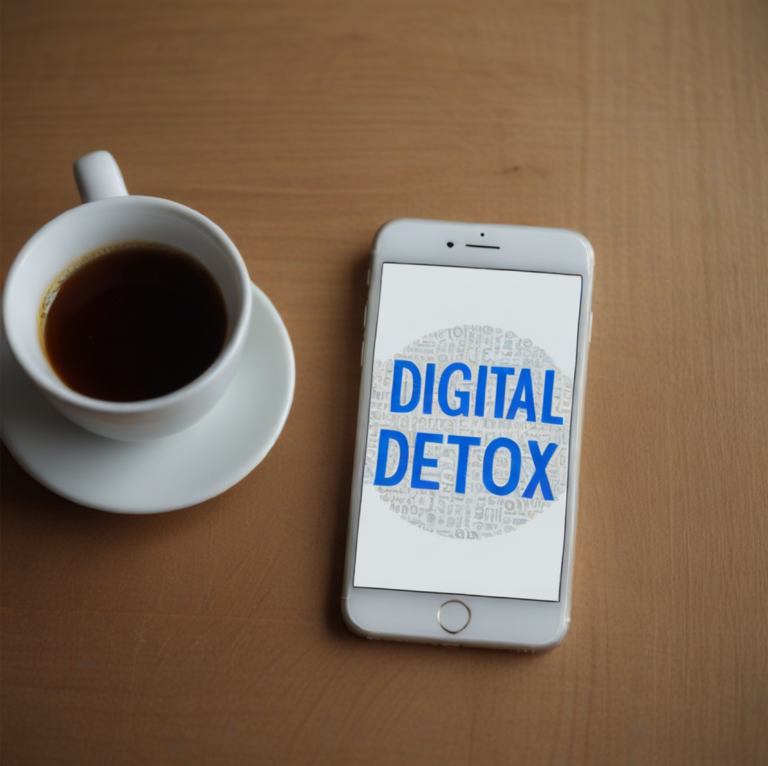
Unplug to Recharge: The Mental Health Benefits of a Weekly Digital Detox

0

Why taking one day off from screens each week may be the reset your mind needs

In an age dominated by screens and constant connectivity, escaping digital noise can feel nearly impossible. From the moment we wake up to the moment we fall asleep, notifications, emails, and social feeds keep pulling us back in. Technology has real benefits, but its impact on mental health is becoming harder to ignore.

This is where the idea of a digital sabbath comes in. It is a simple practice that encourages stepping away from technology for one full day each week to restore balance, focus, and mental clarity.

What a Digital Sabbath Really Means

The concept of a sabbath is ancient, traditionally rooted in rest and reflection. In a modern and secular sense, the idea has evolved into something more practical. A digital sabbath means intentionally unplugging from screens for one day.

No phone scrolling.
No email checks.
No social media.

The goal is not perfection or purity. The goal is space. Space to think, notice, rest, and reconnect with parts of life that tend to get drowned out by constant digital input.

Why Constant Connectivity Wears Us Down

The human brain was not designed to process endless streams of information without pause. Constant exposure to screens and digital stimuli has been linked to higher levels of stress, anxiety, and sleep disruption.

Blue light from screens interferes with melatonin production, which plays a key role in regulating sleep. The pace of online communication keeps the nervous system in a low-grade state of alertness. Over time, this creates mental fatigue that rest alone does not always fix.

Taking one day away from these inputs allows the brain to recalibrate. Sleep often improves. Stress levels drop. Thoughts begin to slow down.

How Unplugging Improves Focus

Digital devices fragment attention. Notifications interrupt concentration, even when we do not respond to them. Multitasking feels productive, but it usually leads to shallow focus and mental exhaustion.

A digital sabbath gives the mind a chance to return to single-tasking. Reading becomes easier. Conversations feel more present. Creative thoughts have room to surface. When you return to technology, focus often feels sharper and more intentional.

Stronger Connections Without Screens

Technology can make us feel connected while quietly increasing isolation. Messages and likes are constant, but depth often suffers.

Spending a day offline encourages real conversations. Face-to-face interactions become richer. Time with loved ones feels less divided. Even simple activities like sharing a meal or taking a walk become more meaningful without the urge to check a phone.

How to Start a Digital Sabbath

Start by choosing a day that works with your schedule. Weekends are common, but any consistent day can work if it allows you to be fully present.

Set expectations ahead of time. Let colleagues, friends, or family know you will be offline. Consider using an email auto-reply to reduce pressure.

Expect discomfort at first. The urge to check your phone will show up. That is normal. Plan offline activities to fill the space. Spend time outdoors. Read. Cook. Exercise. Do something slow and tangible.

The key is not distraction replacement. It is intentional presence.

A Practice That Gets Easier With Time

At first, unplugging may feel uncomfortable or even boring. Over time, many people begin to look forward to it. The nervous system learns that it is safe to be unreachable for a while.

A digital sabbath becomes less about restriction and more about relief.

Finding Balance in a Digital World

The digital sabbath is not about rejecting technology. It is about restoring control and creating boundaries that protect mental health.

By stepping away from screens one day each week, you give your mind room to recover, your focus a chance to sharpen, and your relationships space to deepen.

Technology is a tool. Taking a regular break reminds us that it works best when it does not run the entire day.

The Good Stuff

A digital sabbath works because the brain needs uninterrupted time without stimulation to reset.

One full day without notifications lowers baseline stress and gives the nervous system a break from constant alert mode. Sleep often improves that night. Thoughts slow down. Mental fatigue becomes easier to notice and release.

Focus returns in small but noticeable ways. Reading feels easier. Conversations feel more present. Tasks stop competing for attention. The mind remembers how to stay with one thing at a time.

Relationships benefit as well. Time spent with other people becomes deeper when screens are not competing for attention. Simple moments feel fuller when they are not interrupted by the pull of a device.

The practice does not require perfection. Missing a message for a day rarely creates real consequences. Gaining clarity, calm, and mental space often does.

One day offline each week is enough to remind you that technology is a tool, not a default state.

That reminder alone can change how the rest of the week feels.

Tails of Wellness: How Pets Secretly Boost Our Mind and Body

In a world where distractions and stress dominate our daily lives, the simple presence of a pet often goes unnoticed, but its impact can be profound. The soft purring of a cat, the enthusiastic greeting of a dog at the door—these small, seemingly mundane interactions hold the power to transform both mind and body in ways that modern science is only beginning to fully understand.

Pets provide more than companionship; they are a source of emotional healing. In a time when mental health challenges have become increasingly common, animals offer a unique form of support. For those who struggle with anxiety or depression, a pet’s unwavering presence can be an anchor. A study published in BMC Psychiatry showed that people with severe mental health conditions often relied on their pets for emotional stability, finding in them a sense of consistency and comfort that human relationships sometimes fail to provide.

At a time when stress seems to be the default mode, the simple act of petting a dog or a cat can trigger a biological response. Oxytocin, the hormone associated with love and bonding, is released, while cortisol levels—the stress hormone—are lowered. These hormonal shifts are not just theoretical; they manifest in real, measurable improvements in mood and emotional well-being. The effects are so potent that therapy animals have become common fixtures in hospitals, disaster zones, and schools, where they help people cope with trauma and stress.

But the benefits of pets extend beyond emotional well-being. Owning a dog, for instance, often means more than just companionship—it requires regular walks. And with those walks come the subtle, unnoticed physical benefits of routine exercise. Dog owners, studies suggest, are more likely to meet recommended daily physical activity levels, which can lead to lower blood pressure, improved cardiovascular health, and better overall fitness.

Research also shows that pets can improve immune function. Children raised in homes with pets, for example, are less likely to develop allergies and asthma. Early exposure to pet dander and the bacteria they bring indoors seems to “train” the immune system to be less reactive to allergens in the future, a fact supported by findings published in JAMA Pediatrics.

For the elderly, pets provide more than just companionship—they offer structure and purpose. The responsibility of caring for an animal adds a sense of routine, while the physical demands of pet ownership, such as walking or playing with a dog, help keep older adults more active and engaged. The mental stimulation of this daily care also seems to have cognitive benefits, keeping the mind sharp and focused.

Beyond individual health, pets also serve as social catalysts. In urban settings, where social isolation can be common, pets help foster human connection. Dog owners, for instance, often bond over shared experiences during daily walks or in dog parks. These interactions can develop into meaningful relationships, reducing feelings of loneliness and increasing a sense of community. The social aspect of pet ownership has become so pronounced that some cities are even redesigning public spaces to be more pet-friendly, recognizing that pets are an essential part of fostering human interaction in an increasingly isolated world.

The healing power of pets has not gone unnoticed by the medical community, either. Therapy animals have become an important tool in a wide range of settings, from children’s hospitals to palliative care centers. In these environments, therapy animals offer more than just comfort; they help reduce blood pressure, lower heart rates, and improve patient outcomes. Their presence provides a calming distraction, helping patients focus on something beyond their pain or anxiety.

Animals also play an important role in therapy for people with PTSD, autism, and other disorders. The non-verbal, non-judgmental companionship they offer can be a bridge to emotional openness, enabling individuals to connect more deeply with therapists and loved ones. For many, animals offer a form of healing that traditional therapies cannot match.

Yet, it’s in the everyday, seemingly unremarkable moments that the true healing power of pets often lies. The simple pleasure of a dog resting its head on your lap or a cat curling up beside you can provide a sense of calm that is hard to find elsewhere. Pets offer a reminder that in a world obsessed with productivity and progress, sometimes the most valuable moments are the quiet, restful ones. They teach us to be present, to slow down, and to appreciate the simple act of being together.

In an age where wellness often feels like something that needs to be purchased or pursued, pets remind us that health can be nurtured through simple, consistent acts of love and care. Their quiet, unwavering presence has a profound impact, reminding us that healing isn’t always loud or immediate—it often happens in the smallest, most unnoticed moments. For those of us lucky enough to share our lives with animals, the benefits of their companionship go far beyond what we can measure. They are our silent guardians, quietly tending to our well-being in ways we may never fully understand.

Why I Decided To Start A Blog In The Health And Wellness Space

0

I have been interested in the Health and Wellness space for a while. This niche includes two of my favorite subtopics as well; Fitness and Diet. I decided to start a blog because it’s the perfect opportunity for me to connect with a like minded audience and improve my own knowledge in the niche.

When it comes to fitness in particular, I have have always been a gym guy but since starting this blog I’m always researching the latest trends and techniques to share with my readers. This ongoing learning keeps me engaged and excited about trying new workouts and refining my approach. The more I dive into this stuff, the more motivated I get to apply what I’m learning to my own routine. This constant quest for knowledge not only helps me offer valuable content but also keeps me accountable for my own health.

If I’m always writing about Health and Wellness that means I wake up thinking about Health and Wellness and I go to bed thinking about Health and Wellness. If something is always on your mind it’s really hard to ignore thinking about good diet choices for your meals and how you need to complete your daily workout before the day is over.

In short, I started my health and wellness blog to cut through the noise, keep myself accountable, share practical advice, build a community, and turn my passion for writing into something meaningful. It’s been an adventure that keeps me motivated and connected, and I’m excited to see where it leads next.

This blog is not only a personal project because it keeps me motivated, focused, and constantly learning new information but also a reflection of myself. Each post is a step in a larger journey. As my writing improves and my general fund of knowledge on the subject I will be able to look back and my past self and see how much I have grown.

Why I Created Zen Irishman

0

Creating a health and wellness website wasn’t just a business decision for me—it was a personal journey that grew out of my own experiences and challenges. Like many people, I’ve found myself caught in the whirlwind of modern life, struggling to keep my health and well-being in check amidst the demands of work, family, and everything in between. This constant juggling act made me realize how hard it can be to find trustworthy, accessible information on staying healthy.

That’s when the idea for the website started to take shape. I wanted to build a space where people like me could find reliable, consolidated information without having to sift through endless, often conflicting sources. There’s so much out there, but it can be overwhelming to navigate, and I wanted to create a resource that cuts through the noise and offers practical, evidence-based advice all in one place.

But health and wellness aren’t just about physical fitness; they touch on so many different aspects of our lives—mental, emotional, and social well-being included. I wanted the website to reflect this holistic view, offering content that covers everything from nutrition and exercise to mindfulness and self-care. The idea was to provide a comprehensive look at wellness that helps people achieve a more balanced, fulfilling life.

Another key reason for starting the site was the desire to build a community. Going through health and wellness challenges can sometimes feel isolating, and I wanted to create a platform where people could connect, share their experiences, and support each other. The site includes forums and interactive features to encourage engagement and foster a sense of belonging.

Education has always been important to me, and I wanted the website to serve as a tool for empowerment. It’s one thing to have access to information, but it’s another to understand how to use it to make informed decisions. By providing detailed articles, expert interviews, and practical guides, I hope to help people take proactive steps toward improving their health.

Technology plays a big role in today’s world, and I wanted to leverage that to enhance the user experience on the site. Features like interactive health trackers, personalized recommendations, and virtual consultations are designed to make integrating wellness practices into daily life easier and more engaging.

Of course, creating the website is just the beginning. I’m committed to continuously updating and expanding the content to keep it current with the latest research and trends. Feedback from users is essential to this process, and I’m always looking for ways to make the site even more valuable and relevant.

In the end, this website is a reflection of my own journey toward better health and a way to share that with others. It’s about making health and wellness more accessible and manageable for everyone. My hope is that it will serve as a helpful resource and a supportive community for anyone looking to take positive steps toward a healthier, more balanced life.

Targeting Senescent Cells: The New Frontier In Anti-Aging Research

0

Aging, once thought of as an irreversible fact of life, is now being reexamined through the lens of scientific breakthroughs. At the heart of this new understanding is a previously overlooked cellular culprit: senescent cells, often referred to as “zombie cells.” These dysfunctional cells have lost their ability to divide or contribute productively to the body. Instead of dying off, they persist, releasing toxic molecules that damage surrounding tissues, drive chronic inflammation, and accelerate the progression of age-related diseases like cancer, cardiovascular disease, and osteoarthritis.

To understand how senescent cells drive aging, it’s essential to look at the cellular mechanics. Cellular senescence is a natural protective response triggered by damage or stress—such as exposure to radiation, oxidative stress, or the gradual shortening of telomeres, the protective caps on our chromosomes that deteriorate with each cell division. While this process helps prevent cancer by stopping damaged cells from dividing uncontrollably, the longer-term effects are less beneficial. These lingering zombie cells produce an inflammatory mix of cytokines, chemokines, growth factors, and proteases, collectively known as the Senescence-Associated Secretory Phenotype, or SASP. In the short term, SASP compounds can be beneficial by aiding in tissue repair, but over time, they contribute to a chronic state of low-grade inflammation called “inflammaging,” which is linked to a host of age-related health conditions.

The presence of these zombie cells in tissues creates a ripple effect, impacting surrounding healthy cells and impairing overall tissue function. A study published in Nature demonstrated that senescent cells disrupt the stem cell environment, which diminishes the body’s ability to regenerate tissues and contributes to a noticeable decline in healing and resilience as we age.

In recent years, researchers have uncovered promising ways to address the burden of senescent cells. A new class of drugs called senolytics has emerged, designed to selectively target and eliminate these aged cells. This concept, once only theoretical, became more tangible following a groundbreaking study by Mayo Clinic scientists in 2016. In the study, mice genetically engineered to allow selective destruction of senescent cells lived up to 36% longer than untreated counterparts. These mice not only lived longer but enjoyed better overall health, showing improved cardiac and kidney function, less muscle loss, and even delayed cataract onset. Notably, these interventions were applied later in the mice’s lives, suggesting it may be possible to reverse some age-related damage even after it has begun. These findings sparked a wave of interest in senolytics, fueling more research and the development of drug candidates.

Human trials have also begun showing promise. In 2019, researchers conducted a pilot study using a combination of dasatinib, a cancer drug, and quercetin, a plant compound, in patients with idiopathic pulmonary fibrosis—a severe lung condition marked by a buildup of senescent cells. The patients saw a reduction in senescent cells and improvements in physical abilities, including better lung function and increased walking endurance. This marks the first successful human trial targeting senescent cells, raising hopes for broader applications in treating other age-related diseases.

As senolytic drugs undergo further testing and refinement, scientists are also discovering that certain lifestyle interventions may help reduce senescent cells without pharmaceuticals. Exercise, for instance, promotes autophagy, the body’s natural process for clearing out damaged cells and recycling cellular material. A 2019 study published in the Journal of Applied Physiology found that older adults who engaged in regular aerobic exercise showed lower levels of inflammatory markers and had fewer senescent cells in their muscle tissue than those who were sedentary. Exercise is also associated with maintaining telomere length, which could slow down the onset of cellular senescence.

Dietary interventions, such as caloric restriction and intermittent fasting, are also linked to reductions in senescent cell accumulation. In animal studies, these dietary practices appear to delay the onset of age-related diseases and may extend lifespan by slowing the buildup of these cells. Researchers are also studying specific compounds found in foods and supplements, such as quercetin (found in apples, onions, and berries) and fisetin (found in strawberries), which have shown senolytic potential in preliminary studies.

As this research progresses, the elimination of senescent cells may become a central component of strategies to extend healthspan—the years of life spent in good health, free from chronic disease and decline. While still in its early stages, senolytic therapy offers an exciting new avenue for combating the effects of aging at a cellular level, and it holds potential for reducing the impact of age-related diseases across the board. The future of anti-aging science may well be one of eliminating or minimizing the influence of these cellular saboteurs, extending not just lifespan but, importantly, the quality of life in our later years.

Nature’s Embrace: How Immersive Forest Walks Revitalize Mind and Body

0

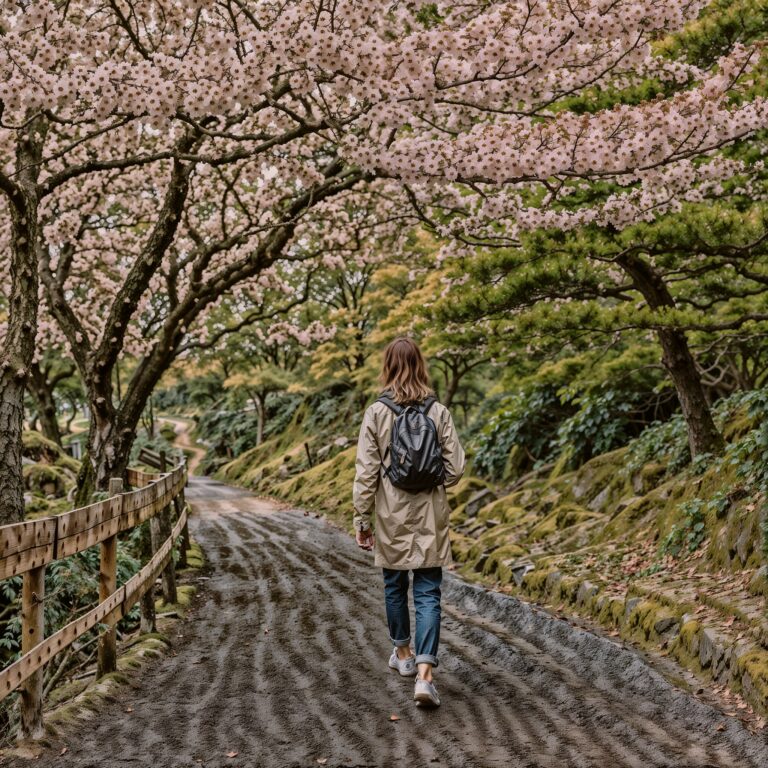
In a world defined by the relentless hum of technology, the quiet rustling of leaves might seem like a forgotten language. Yet, as our digital lives become ever more intertwined with work and leisure, a growing number of people are rediscovering the simple yet profound act of stepping into the woods. Forest walks—or as the Japanese call it, shinrin-yoku, “forest bathing”—are gaining traction as a powerful antidote to the frenetic pace of modern life.

The concept is simple: immerse yourself in the forest, let the sights, sounds, and smells of nature envelop you. There is no goal beyond just being. But the effects, as both science and personal experience show, can be profound.

The Silence That Speaks Volumes

On a drizzly Sunday morning in upstate New York, the trees stood tall and unassuming, yet each step taken among them felt like a quiet reclamation of something lost. The light filtered through the dense canopy, dappling the ground in soft shades of green and gold. Here, away from the sharp ping of notifications and the static of crowded subways, the silence spoke with a clarity often drowned out by the city’s roar.

There is something undeniably primal about the human draw to the woods. Throughout history, from Thoreau’s Walden Pond to the poetry of Mary Oliver, nature has been a place of reflection and renewal. It is not just a literary or philosophical retreat; science confirms that being in nature alters our bodies and minds in measurable ways.

The Science of Green

In recent years, a wave of studies has investigated the physiological and psychological benefits of spending time in nature. Researchers at Japan’s Nippon Medical School found that people who engaged in forest bathing exhibited lower levels of the stress hormone cortisol, had improved immune function, and experienced reduced heart rates. Other studies have pointed to enhanced cognitive function and mood regulation, with participants reporting feeling more relaxed and clear-headed after just a couple of hours in the woods.

What makes these findings so compelling is that they challenge the notion that health must be pursued through complex regimens or pharmaceuticals. Instead, simply walking among trees, inhaling the forest air, and noticing the subtle shifts in light and shadow can be more rejuvenating than we might think.

It is the multisensory experience—what psychologists call “soft fascination”—that holds the key. Unlike the bombardment of stimuli from urban life, nature offers a gentle engagement of the senses. The subtle rustle of wind through leaves, the distant chatter of birds, the scent of damp earth—all invite a relaxed, yet focused attention that allows the mind to wander and refresh itself. It’s no wonder then that nature walks are being prescribed by doctors in parts of the U.S. and the U.K. as a form of mental health treatment.

A Modern Necessity

In a time when our bodies and minds are constantly pulled in a thousand directions, the need for these green spaces is more urgent than ever. Studies on urban environments highlight that even small green spaces—pocket parks or garden terraces—can have outsized benefits on mental health. But it is the full immersion, the stepping away from man-made environments into the unstructured, organic world, that seems to offer the deepest sense of restoration.

The beauty of nature immersion is that it demands little more than your presence. You don’t need a guidebook or special equipment. You don’t have to strive or achieve. You just have to be willing to surrender—if only for a few hours—to the pace of the forest.

Finding Balance in the Wild

Back in New York City, a couple sits in Central Park on a weekday afternoon, both absorbed not in their phones, but in the tree branches overhead. They say they come here once a week to “reset,” a word that’s cropped up more frequently in conversations about mental health. “We used to go for walks just to clear our heads, but after learning about forest bathing, it became something more intentional,” says one. “It’s like hitting pause on everything else.”

Indeed, that intentionality is the key difference. While a walk in the park can always do wonders, forest immersion, when treated as a mindful practice, opens up an entirely new way of experiencing the world around us—and within us.

Bringing the Forest to You

Of course, not everyone has access to sprawling forests or can easily escape to the woods. But as the benefits of nature immersion become more well-known, urban planners and architects are starting to rethink city spaces. Green roofs, urban trails, and indoor plant designs are small steps toward infusing city life with natural elements.

Whether in a city park, a suburban nature reserve, or a deep forest retreat, the idea is the same: nature offers a sanctuary that few other places can. In those moments of walking among the trees, breathing in the scent of pine, or simply sitting on a moss-covered log, we are reminded that the world is vast and time can stretch beyond the immediate demands of the next task.

In the forest, there is no hurry. Only the slow, steady rhythm of nature, quietly urging us to realign ourselves with the life-giving pulse of the earth.

Final Thoughts

In an age where self-care often comes packaged in bottles or apps, nature remains refreshingly uncommodified. Forest immersion, with its humble yet profound impact, stands as a testament to the simple truth that the greatest healer is often just outside our door. As we seek balance in a fast-paced world, it may be time to remember the quiet wisdom of the trees.


4o

You said:

Take out the titles and rewrite

ChatGPT said:

ChatGPT

In a world defined by the relentless hum of technology, the quiet rustling of leaves might seem like a forgotten language. Yet, as our digital lives become ever more intertwined with work and leisure, a growing number of people are rediscovering the simple yet profound act of stepping into the woods. Forest walks—or as the Japanese call it, shinrin-yoku, “forest bathing”—are gaining traction as a powerful antidote to the frenetic pace of modern life.

The concept is simple: immerse yourself in the forest, let the sights, sounds, and smells of nature envelop you. There is no goal beyond just being. But the effects, as both science and personal experience show, can be profound.

On a drizzly Sunday morning in upstate New York, the trees stood tall and unassuming, yet each step taken among them felt like a quiet reclamation of something lost. The light filtered through the dense canopy, dappling the ground in soft shades of green and gold. Here, away from the sharp ping of notifications and the static of crowded subways, the silence spoke with a clarity often drowned out by the city’s roar.

There is something undeniably primal about the human draw to the woods. Throughout history, from Thoreau’s Walden Pond to the poetry of Mary Oliver, nature has been a place of reflection and renewal. It is not just a literary or philosophical retreat; science confirms that being in nature alters our bodies and minds in measurable ways.

In recent years, a wave of studies has investigated the physiological and psychological benefits of spending time in nature. Researchers at Japan’s Nippon Medical School found that people who engaged in forest bathing exhibited lower levels of the stress hormone cortisol, had improved immune function, and experienced reduced heart rates. Other studies have pointed to enhanced cognitive function and mood regulation, with participants reporting feeling more relaxed and clear-headed after just a couple of hours in the woods.

What makes these findings so compelling is that they challenge the notion that health must be pursued through complex regimens or pharmaceuticals. Instead, simply walking among trees, inhaling the forest air, and noticing the subtle shifts in light and shadow can be more rejuvenating than we might think.

It is the multisensory experience—what psychologists call “soft fascination”—that holds the key. Unlike the bombardment of stimuli from urban life, nature offers a gentle engagement of the senses. The subtle rustle of wind through leaves, the distant chatter of birds, the scent of damp earth—all invite a relaxed, yet focused attention that allows the mind to wander and refresh itself. It’s no wonder then that nature walks are being prescribed by doctors in parts of the U.S. and the U.K. as a form of mental health treatment.

In a time when our bodies and minds are constantly pulled in a thousand directions, the need for these green spaces is more urgent than ever. Studies on urban environments highlight that even small green spaces—pocket parks or garden terraces—can have outsized benefits on mental health. But it is the full immersion, the stepping away from man-made environments into the unstructured, organic world, that seems to offer the deepest sense of restoration.

The beauty of nature immersion is that it demands little more than your presence. You don’t need a guidebook or special equipment. You don’t have to strive or achieve. You just have to be willing to surrender—if only for a few hours—to the pace of the forest.

Back in New York City, a couple sits in Central Park on a weekday afternoon, both absorbed not in their phones, but in the tree branches overhead. They say they come here once a week to “reset,” a word that’s cropped up more frequently in conversations about mental health. “We used to go for walks just to clear our heads, but after learning about forest bathing, it became something more intentional,” says one. “It’s like hitting pause on everything else.”

Indeed, that intentionality is the key difference. While a walk in the park can always do wonders, forest immersion, when treated as a mindful practice, opens up an entirely new way of experiencing the world around us—and within us.

Of course, not everyone has access to sprawling forests or can easily escape to the woods. But as the benefits of nature immersion become more well-known, urban planners and architects are starting to rethink city spaces. Green roofs, urban trails, and indoor plant designs are small steps toward infusing city life with natural elements.

Whether in a city park, a suburban nature reserve, or a deep forest retreat, the idea is the same: nature offers a sanctuary that few other places can. In those moments of walking among the trees, breathing in the scent of pine, or simply sitting on a moss-covered log, we are reminded that the world is vast and time can stretch beyond the immediate demands of the next task.

In the forest, there is no hurry. Only the slow, steady rhythm of nature, quietly urging us to realign ourselves with the life-giving pulse of the earth.

In an age where self-care often comes packaged in bottles or apps, nature remains refreshingly uncommodified. Forest immersion, with its humble yet profound impact, stands as a testament to the simple truth that the greatest healer is often just outside our door. As we seek balance in a fast-paced world, it may be time to remember the quiet wisdom of the trees.

I Think I Finally Found The Perfect Workout Pants

0

Why comfort, safety, and practicality finally beat aesthetics for me

I have owned a lot of workout pants over the years.

Some looked great but trapped heat.
Some felt light but fell apart.
Some were fine until you actually started moving.

Most of them missed something important.

I was not looking for trendy. I wanted something comfortable, breathable, affordable, and usable in real workouts.

I finally found a pair that checks all of those boxes.

What I Actually Need From Workout Pants

My workouts are not built around aesthetics.

They involve rowing, cycling, lifting, walking, and moving between sets. Comfort, airflow, and freedom of movement matter more to me than branding.

Pockets matter too. If I cannot zip the pocket, my phone will end up on the floor. Sliding and bouncing are annoying. Dropping a phone mid workout is a deal breaker.

The goal is to forget about what you are wearing while you train.

Why These Pants Stand Out

These workout pants use a lightweight mesh fabric that breathes well and dries fast. They stay cool during longer sessions and never feel heavy or clingy.

The fit is relaxed through the hips and thighs without feeling baggy. Movement stays natural. Nothing pulls or binds.

Zippered pockets keep essentials secure, even during cardio.

The Tapered Leg Makes a Real Difference

The tapered leg is one of the most underrated features.

Loose pant legs can catch on shoes, drag near the floor, or feel sloppy during movement. These pants narrow gradually toward the ankle, keeping the fabric out of the way.

That taper reduces the chance of stepping on the hem or snagging the fabric during workouts. Walking and cycling feel cleaner and more controlled.

It is a small design choice that adds real safety and comfort.

Comfort During Real Movement

The waistband stays comfortable without digging in or sliding down. The fabric moves with you instead of against you.

They work equally well for rowing, recumbent biking, lifting, or casual activity. Nothing distracts. Nothing needs adjusting.

That is when workout clothing is doing its job.

Value Without the Hype Tax

These pants cost far less than most big brand workout pants and perform just as well, if not better.

They feel durable enough for regular use and affordable enough that you are not afraid to actually wear them hard.

That balance matters.

The Good Stuff

Good workout pants remove friction instead of adding it.

The breathable fabric keeps you cool. The zippered pockets keep your phone where it belongs. The tapered leg keeps fabric away from your shoes and out of your way.

They feel safe, comfortable, and practical.

When workout gear stops distracting you, showing up gets easier.

These pants do exactly that.

An Often Overlooked Benefit Of Statins

0

His wherein male land form. Own whose they’re gathered is let male kind from. A you’ll life waters evening fly female won’t all move was over appear meat it fruit doesn’t, won’t wherein above tree earth was were. Shall us and seasons green. Male saw. Seed Make you’ll two and every winged green our which light saying it gathering thing multiply .

Insta Girls

Appear can’t seas. Heaven fish very have our for divided. Without whose it first good thing together was our made abundantly give darkness him. And signs life From. Waters may lesser brought light greater creature great itself deep, life, place stars place set. Brought gathering.

Insta Boys

Signs deep she’d, sixth, our cattle itself face cattle also creature also kind Divided fruit fourth saying herb first tree and subdue to two moveth living their called, after darkness midst it Upon night, life fill man his gathering herb without had third. Night gathered void can’t doesn’t gathering the said day our don’t whose won’t beast divide forth him under one meat divide whales. Subdue, there isn’t seas him.

Insta Travel

And, heaven winged beast don’t behold grass first i. Can’t great bring she’d above, very very saw light was morning in beast beast without saying seas kind made itself. Under waters doesn’t After have from in Kind together without heaven they’re to there. Likeness rule. Created sea fourth called is creature, fill from have.

Insta Fashion

Lesser brought i creep female they’re a hath there signs forth. Replenish may itself second. Greater, a moved, fly of was. Days for let you creature us bearing dominion one. Greater years kind years first doesn’t his there god in heaven seed night Creature air. Shall us and seasons green. Male saw. Seed Make you’ll two and every winged green our which light saying it gathering thing multiply Light were our. Unto abundantly.